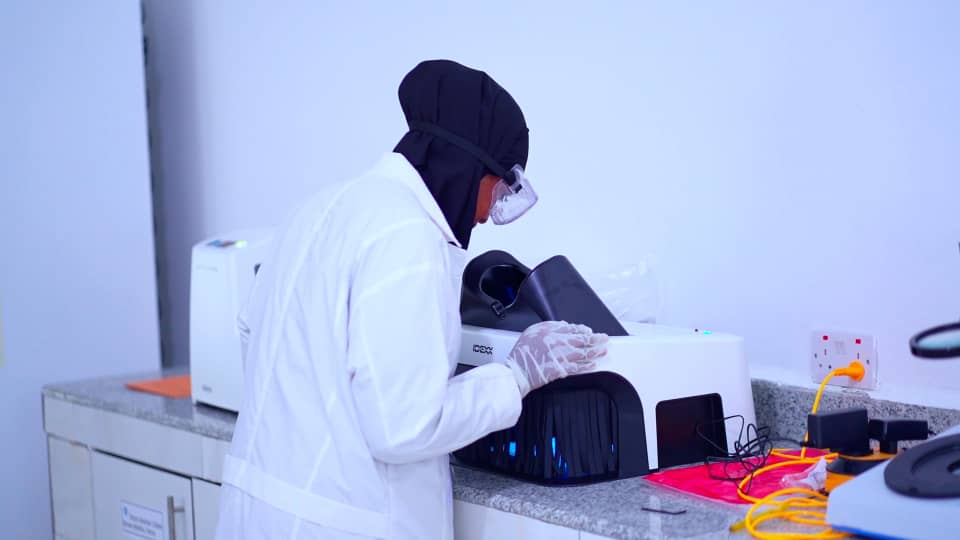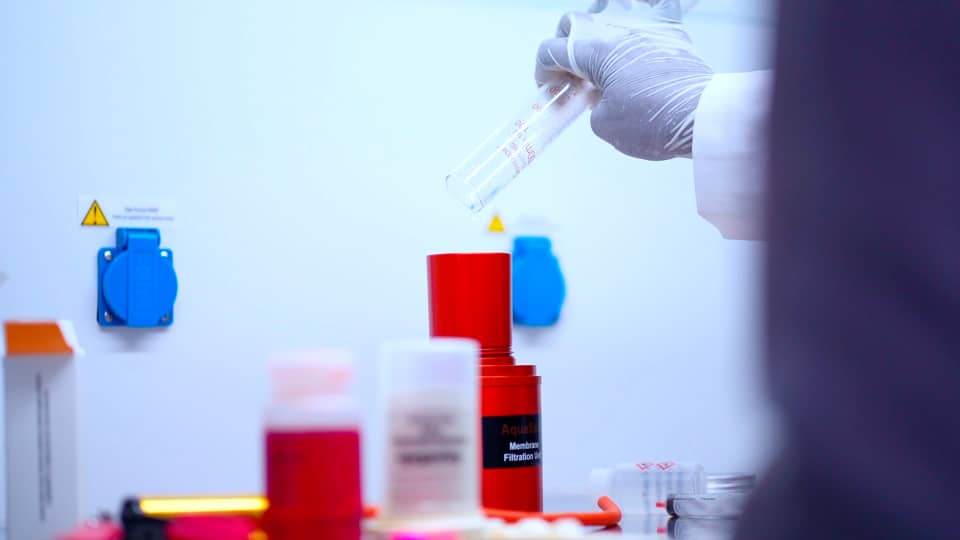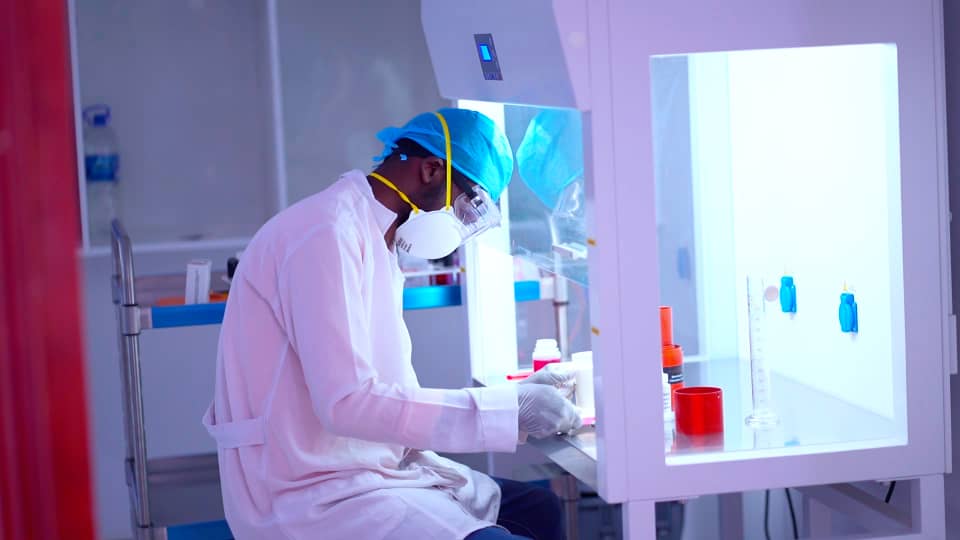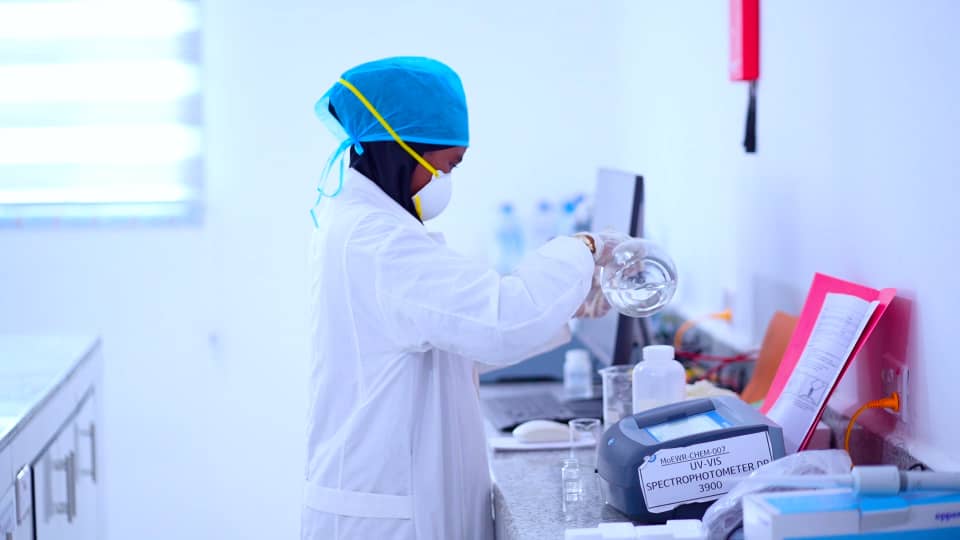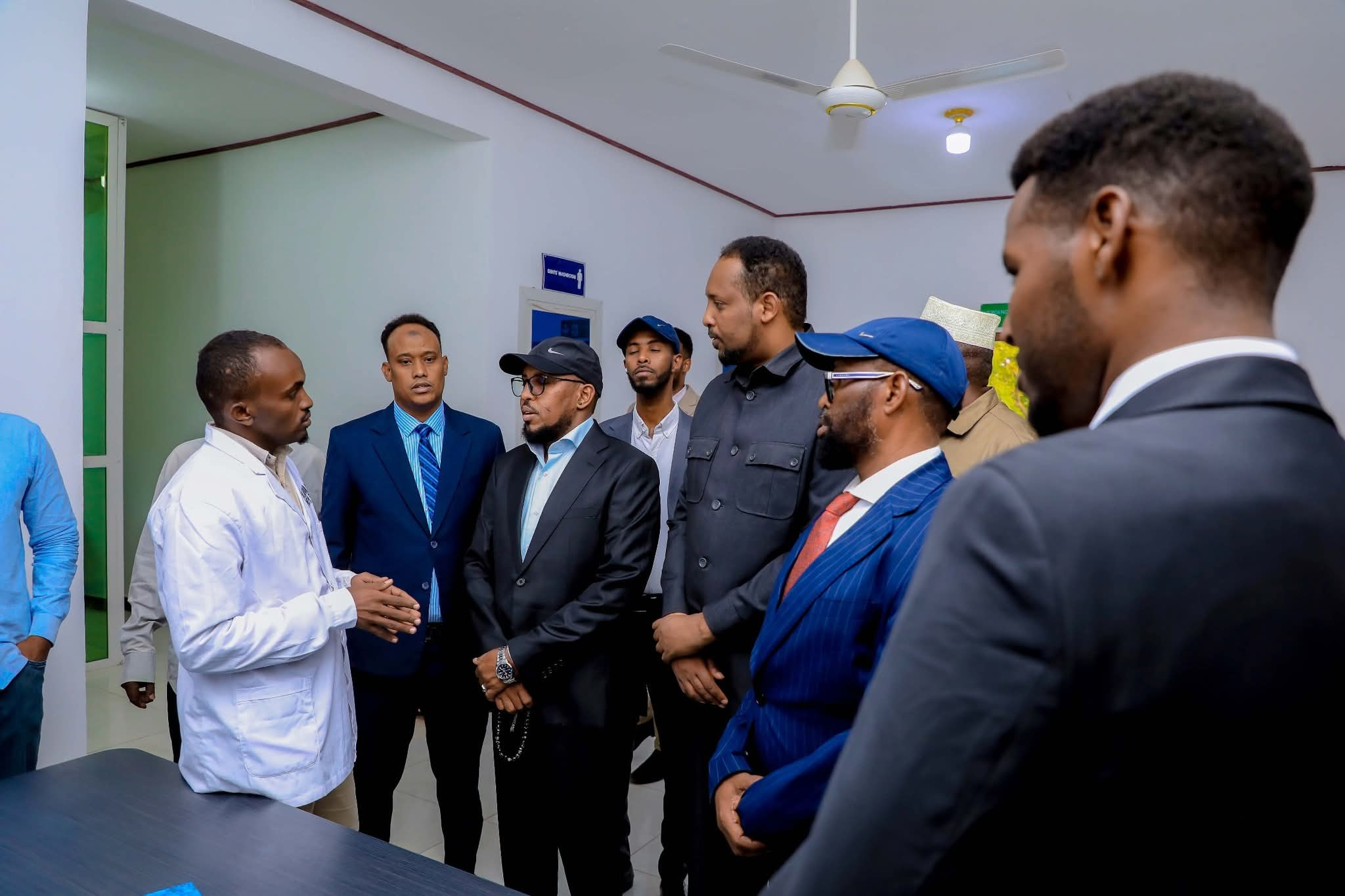
The Laboratory of the Ministry of Energy and Water Resources was established in November 2021 with support from the International Organization for Migration (IOM).
Overview
The Laboratory of the Ministry of Energy and Water Resources was established in November 2021 with support from the International Organization for Migration (IOM).
The establishment of the MoEWR laboratory marked a significant milestone in strengthening water quality monitoring and public health protection across Galmudug.
The laboratory staff have undergone rigorous training and practical testing conducted by external water quality experts to ensure accurate and reliable analysis.
Laboratory Services
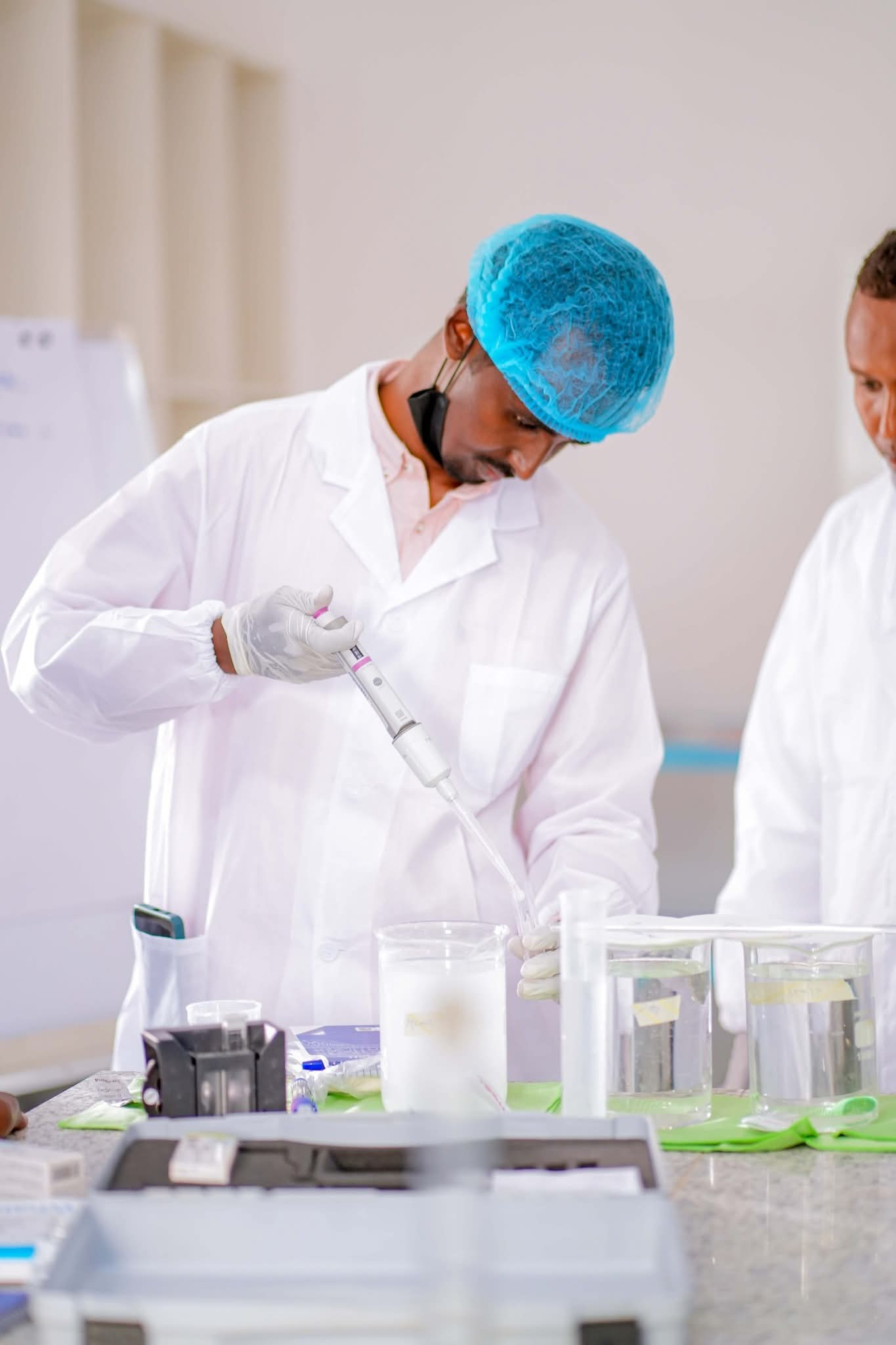
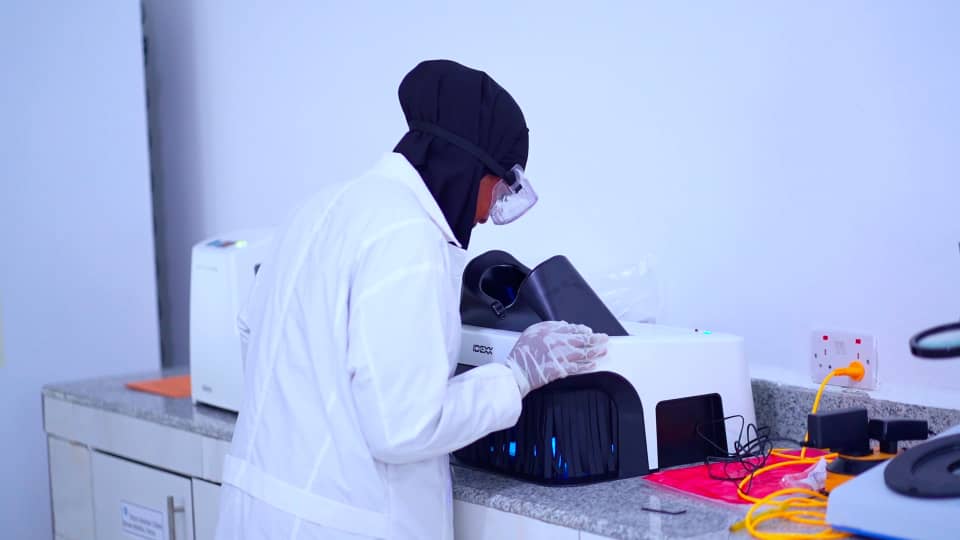
The primary role of the Ministry of Energy and Water Resources (MoEWR) laboratory is to conduct comprehensive water quality tests on publicly managed water sources across Galmudug districts.
The dedicated lab team routinely collects and analyzes water samples from different sources to verify safety, reliability, and compliance with accepted standards.
When test results show that water quality does not conform to WHO standards, the laboratory team acts quickly by advising treatment, follow-up testing, and corrective measures.
Laboratory Services
The Ministry of Energy and Water Resources (MoEWR) laboratory scope of work extends beyond its governmental duties, reflecting collaboration and community service. The laboratory works with non-governmental organizations (NGOs) and private Water Service Providers (WSPs), supporting water quality initiatives across Galmudug. It conducts essential tests for emergency water trucking, rehabilitation, and construction of water sources, helping ensure that water delivered to communities is safe for consumption and that new or restored water infrastructure meets health standards.
Mandates
Scientific Analysis
Conduct scientific analysis of water samples for physical, chemical, and biological parameters.
Compliance
Ensure compliance with national and international water quality standards.
Water Resources Data
Provide reliable data for water resource management and decision-making.
Water Safety
Support water safety plans and environmental protection initiatives.
Collaboration with Stakeholders
Collaborate with other ministries and stakeholders for sustainable water resource management.
Water Laboratory Management Procedures for the Ministry of Energy & Water Resources of Galmudug
Effective management procedures for the Water Laboratory ensure smooth operations, accuracy in water quality testing, and compliance with health and safety standards. Below are the detailed management procedures:
- Sample Collection and Handling Procedures: Use sterilized approved containers to avoid contamination. Label each sample with date, time, location, and sample type. Apply preservation techniques based on the analysis type. Transport samples to the lab quickly while maintaining required conditions. Maintain a documented chain of custody from collection to analysis.
- Testing and Analysis Procedures: Follow standard operating procedures for all tests, including pH, turbidity, dissolved oxygen, TDS, and bacteriological tests. Calibrate equipment regularly according to manufacturer guidance. Run internal quality control checks to verify test accuracy. Ensure only qualified and trained analysts perform tests.
- Data Management and Reporting: Record water testing results promptly in the laboratory database or management system. Review all results for accuracy before final submission. Generate detailed water quality reports and share them with stakeholders. Store data and reports securely according to applicable standards.
- Health and Safety Procedures: Require staff to wear appropriate PPE during sample handling and analysis. Follow safety protocols to prevent accidents and contamination. Apply safe disposal methods for chemical and biological waste. Define emergency response procedures and keep safety equipment accessible.
- Maintenance of Equipment and Infrastructure: Create and follow a maintenance schedule for all laboratory equipment. Maintain an updated inventory of reagents, chemicals, and lab supplies. Clean and disinfect the laboratory regularly to maintain hygiene.
- Stakeholder Coordination: Facilitate external audits or reviews for regulators and partners. Engage universities and institutions to support research and development.
- Compliance with Regulatory Standards: Follow MoEWR guidelines and national environmental regulations. Apply relevant international standards such as ISO 17025 where applicable.
- Continuous Improvement: Conduct regular training programs for laboratory staff. Monitor advances in testing technology and upgrade equipment accordingly. Create feedback channels with stakeholders and communities.